Exterior lighting patterns reoccur. Cool white had its surge. Color-changing systems attracted interest. App-controlled scenes became a marketing factor. Yet when property owners go back and ask what in fact looks exactly on a residence, time after time, lots of go back to the exact same answer: timeless warm soft lights.
That preference is not fond memories alone. It originates from exactly how homes are constructed, just how materials react after dark, and how people wish to really feel when they pull right into the driveway at 6:30 on a wintertime evening or rest on the patio after sunset in July. The most successful outside lighting rarely screams. It works out in, flatters the design, and makes a home feel finished without looking staged.
After sufficient evenings invested readjusting fixtures, altering color temperature levels, and standing at the curb with property owners while the sunlight drops, a pattern becomes noticeable. Cozy light has a tendency to age much better, photograph much better, and live better than virtually any type of various other outside illumination choice.
What "classic warm soft" really indicates outside
People commonly utilize the phrase freely, however in method, timeless warm soft lights generally drop in the lower shade temperature level array, typically around 2200K to 3000K relying on the application. Theoretically, that seems technological. Face to face, it indicates the light has a gentle amber or golden character rather than a crisp blue-white cast.
That distinction matters much more outdoors than it performs in a showroom. Many external surfaces are textured, matte, irregular, or reflective in uneven means. Brick, cedar, natural stone, repainted trim, stucco, and asphalt roof shingles all react in a different way to fabricated light. Warm tones have a tendency to take out deepness and gentleness in those products. Cooler temperature levels often overemphasize contrast and make surfaces really feel flatter or harsher.
A home owner may not claim, "The 2700K output complements the touches in the limestone veneer." They are more probable to say, "That resembles home." That reaction is the genuine reason these lights endure.
Classic cozy soft lights additionally straighten with how the human eye expects property rooms to care for dark. Dining establishments, friendliness rooms, and high-end outdoor living locations discovered this a long time back. If the objective is convenience, heat wins.
The emotional side of exterior illumination matters greater than many people admit
A home is not a storehouse. It is not a car parking structure. Exterior lighting for a residence does more than boost presence. It establishes a mood before anyone reaches the front door.
Warm light produces emotional ease. It suggests welcome, tranquil, and tenancy. That matters in refined ways. A softly lit front walk feels safer without really feeling questioned. A back outdoor patio glows as opposed to blazes. Landscape features become part of the evening rather than disappearing into darkness or being overexposed.
I have seen this play out on jobs where property owners at first requested brighter, whiter light since they presumed brighter suggested better. Once installed, those cooler lights usually made the home look more industrial than domestic. The rock looked colder. The trim looked sharper, however not in a lovely means. Darkness became harder. When those systems were adjusted to warmer lamps or warmer LED settings, the house right away felt a lot more pricey and much more comfy, although the component areas did not change.
That is among the quiet truths in this classification. Great outside lights is not almost result. It has to do with tone.
Why warmer light flatters architecture
Exterior lights must support the architecture, not compete with it. Warm soft illumination does that particularly well due to the fact that it values the natural visual hierarchy of a home.
Traditional homes take advantage of it most obviously. Colonial, craftsman, farmhouse, Tudor, Mediterranean, and rustic layouts all often tend to look more based under cozy illumination. Rich house siding colors, discolored wood doors, copper accents, block facades, and natural masonry all gain deepness under that warmer glow.
Even modern-day homes, which lots of people presume need cooler whites, typically look better with restrained warmth. A clean-lined modern residence can still review as crisp at 2700K. The difference is that it remains inviting. At 4000K or greater, many modern-day homes begin to really feel scientific, specifically if the outside combination already consists of grey rock, charcoal metal, or white stucco.
The partnership between light and darkness additionally enhances with warmer temperature levels. Exterior architecture requires comparison to show form, yet not a lot contrast that every column, eave, and soffit looks extreme. Warm light tends to soften transitions. It produces measurement without making a house appear overlit.
Curb appeal is a nighttime concern too
A lot of home owners spend greatly on landscaping, paint, masonry, and rooflines, then treat illumination as a second thought. During the day, your house carries itself. In the evening, lighting ends up being the style people in fact see.
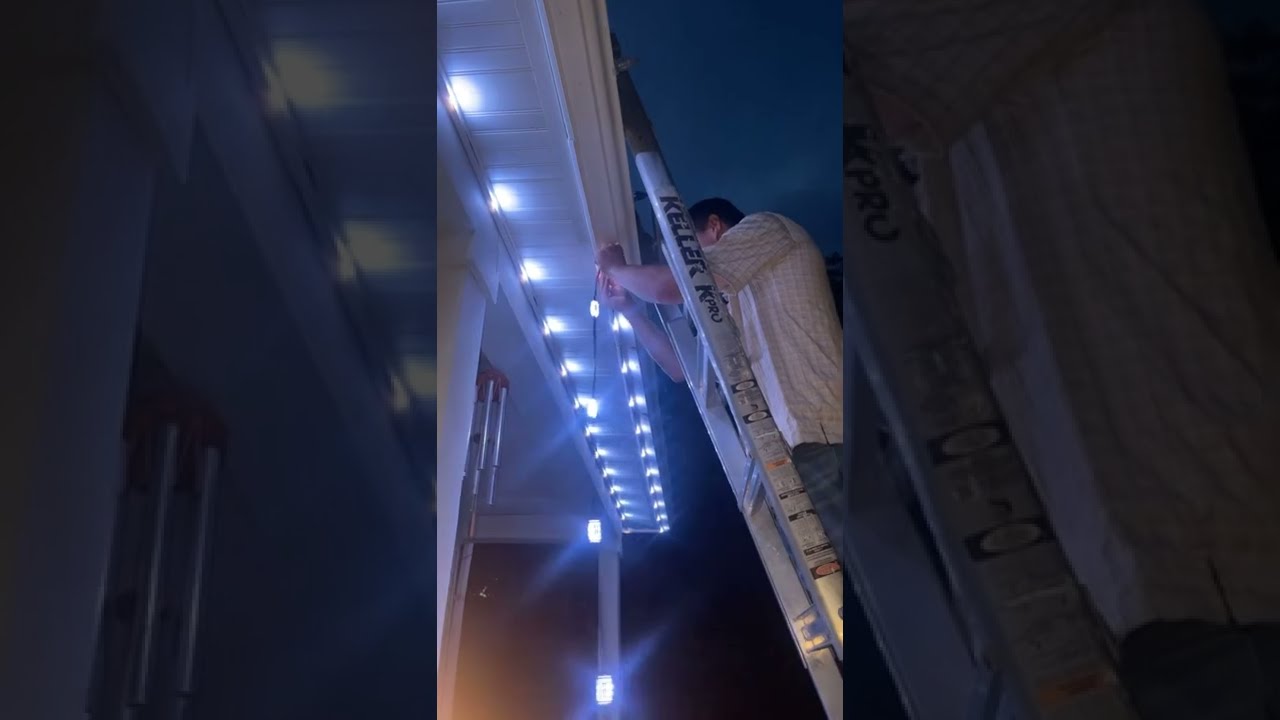
Classic warm soft lights carry out especially well from the road. They produce deepness throughout the exterior and assistance define entries, rooflines, and paths without turning the home right into a brilliant item in a dark neighborhood. That balance is one reason they continue to be so popular for Permanent LED Lighting Installation. Property owners desire a system that looks sophisticated on regular nights, not simply throughout December celebrations or unique events.
This is where permanent systems have actually changed the conversation. Older seasonal setups normally compelled a selection in between useful white bulbs, tinted holiday bulbs, or no lighting in all. Today, Long-term Vacation Lighting can run year-round with refined, warm setups that disappear right into the design during the day and provide inconspicuous elegance during the night. On holidays, they can change to even more meaningful scenes. The secret is that their day-to-day setting frequently works finest in a timeless warm soft tone.
That versatility has actually made several property owners more aware of simply exactly how comfortable cozy exterior illumination is. Once they see their residence gently lit every night without ladders, clips, or yearly setup, the preference often tends to stick.
Warm light normally looks better on usual exterior materials
This is among the least attractive however most sensible factors for the long-lasting appeal of warm lights. Many property outsides in North America are developed from materials that gain from warmth.
Brick is a clear example. Red, brownish, and earth-toned block can look rich and split under cozy light. Under cooler light, the exact same brick can shed its depth and drift toward a washed-out or muddy appearance. All-natural stone usually behaves the same way. Rather than highlighting the variant within the stone, cooler lighting can squash it or make specific cuts show up too stark.
Wood, whether natural or stained, generally enhances under warm illumination. The grain learns more normally. The coating looks willful instead of dry. Repainted exterior siding, especially creams, taupes, greens, and softer blues, also has a tendency to hold its color far better under warm light. By contrast, great white can press a lot of those tones into a grayer, thinner look.
Metal surfaces matter too. Bronze, black iron, aged brass, and copper all pair normally with warm light. Those mixes really feel coherent due to the fact that the fixture style and the light shade are telling the same story.
The finest exterior illumination is typically the least noticeable
When outside lighting is done well, visitors generally do not comment on the fixtures initially. They discuss the ambience. They claim the lawn really feels inviting. They discover the walkway is easy to adhere to. They stop by the front access due to the fact that it really feels composed.
Classic warm soft lights sustain that sort of response because they do not call attention to themselves as a modern technology option. Cooler lights commonly reveal themselves instantly. That is not always an imperfection. There are settings where sharp white light is specifically right, such as security areas, service locations, or business facades. Residential layout typically asks for something quieter.
This is specifically true in neighborhoods where homes sit reasonably close together. An aggressive cool-white system can hemorrhage right into neighboring residential properties, create glow via home windows, and make a home attract attention for the incorrect reason. Warm systems have a tendency to be easier to control visually. They can still give adequate lighting for security, but they do so with much less aesthetic noise.
Where warm light outperforms trend-driven shade choices
Color-changing systems are useful. They can commemorate vacations, support team colors, or include individuality for celebrations. There is no reason to reject them outright. The error is thinking that due to the fact that a system can create countless shades, it ought to use them often.
Most homes spend the huge majority of the year in average life. Kids get home from college. Plans get here. Dogs require walking. Guests come by for dinner. On those nights, saturated shade results are typically also busy. A timeless warm soft setup just fits more situations.

That is why much of the very best Permanent Holiday Lights setups are not made as holiday-only items. They are made as long-term architectural lighting systems with holiday capability. The distinction matters. If a system just looks good when it is doing something flashy, it will be off the majority of the year. If it looks refined in a warm white mode every evening, it becomes part of the home.
Homeowners frequently discover this after installment. The colors are fun and worth having. The cozy white setting comes to be the default.
The efficiency case for warm lighting
Aesthetic preference obtains most of the focus, yet there is a sensible side as well. Cozy outside illumination can be simpler to deal with because it has a tendency to reduce viewed cruelty and glow. That does not imply low result or bad exposure. It implies valuable light directed in such a way that feels comfortable.
Brightness and color temperature are not the same point, though individuals generally treat them as if they are. A well-placed 2700K component can supply superb path lighting. A 4000K fixture of similar output might feel brighter, yet it can additionally really feel even more glaring, particularly if seen directly from the street or from a seated outdoor area.
This matters on decks, patio areas, and outdoor kitchens where people hang around close to the light source. It likewise matters for older homeowners, who can be a lot more sensitive to glare and contrast. In those situations, cozy lighting often creates a much more useful outside environment because the eye can relax.
Common circumstances where traditional warm soft lights make one of the most sense
There are some applications where cozy illumination constantly proves itself. These are the moments where trend resistance turns into practical wisdom.
- Front access and decks, where the objective rates, facial exposure, and a feeling of arrival Rooflines and eaves, specifically in Permanent LED Illumination Setup, where refined laying out looks a lot more polished than sharp white tracing Patios, pergolas, and seating locations, where glow control and convenience issue as high as visibility Landscape uplighting on trees, stone, and planting beds, where cozy tones reveal appearance beautifully Historic or character-rich homes, where cooler temperatures commonly deal with the architecture
Those are not the only applications, however they are the ones where home owners hardly ever are sorry for selecting warm.
That stated, warm is not constantly the answer
Professional judgment implies recognizing the edge instances. Some residential or commercial properties take advantage of a split method rather than a solitary color temperature level everywhere.
Security illumination around side backyards, garage workspace, trash rooms, or energy areas may require a lot more neutral or somewhat cooler light for clarity and job exposure. Coastal contemporary homes with very pale coatings in some cases handle a restrained 3000K setting far better than an ultra-warm 2200K tone. Snow-heavy areas can additionally change assumption. Light mirrored off snow appears brighter and cooler to the eye, so a temperature level that looks excellent in summertime may require dimming modifications in winter.
There is additionally the concern of over-warming. Extremely amber light can start to feel theatrical if it is as well strong or applied everywhere. The goal is softness, not sepia. In most household setups, the wonderful spot is a well balanced warm white, not an overstated vintage effect.
Good exterior lighting style resolves these concerns by dealing with the home as a structure. The front frontage, paths, amusing rooms, and service locations may each require different outcomes or component securing, also if they stay within a typically cozy palette.
Why irreversible systems have actually enhanced the popularity of cozy tones
The increase of Permanent LED Lights Setup has altered home owner expectations. People no longer see roofline lighting as a momentary seasonal expense. They see it as part of the home. That change normally favors classic warm soft lights since permanent layout asks a harder inquiry than seasonal layout: will certainly this still look great in February, April, August, and November?
Warm illumination passes that examination better than practically any type of alternative.

Permanent systems additionally reward restriction since they are visible all year. The very best installments conceal the tracks well, maintain the design, and offer sufficient control to change from refined day-to-day scenes to vacation programs when desired. In those systems, warm white is the setup that confirms the investment was rewarding. It is the mode that makes your house really feel brightened on a normal Tuesday.
I have listened to home owners say nearly the exact same point in different words: "We bought it for the vacations, yet we keep it on for the rest of the year." That sentence clarifies the enduring power of warm outside lighting far better than any kind of fad report could.
A few mistakes that make warm illumination look even worse than it should
Warm light is flexible, yet it still requires proper implementation. Several unsatisfactory outcomes come from design mistakes, not from the shade temperature itself.
- Too much illumination, which rinses the softness and produces glare Poor fixture positioning, particularly uplights aimed also directly at home windows or seating areas Mixing unconnected light shades, such as warm facade lights with cool garage floods Cheap LEDs with weak shade making, which can make surface areas look plain or off Lack of dimming control, which requires one light degree for every season and use case
These issues prevail, and they are fixable. In lots of tasks, the distinction between "fine" and "outstanding" is not a brand-new component. It is lower result, much better aiming, or an extra coherent lighting plan.
The function of color making and why it typically gets overlooked
Color temperature gets the majority of the discussion because it is simple to see and easy to market. Color providing matters just as much. A cozy component with poor color rendering can still make rock, plants, and paint look drab. A high-quality warm LED, on the various other hand, discloses subtle tones that make a home look even more expensive.
This is one reason bargain components dissatisfy. They may market the right warmth, yet the actual aesthetic result can be sloppy. Complexion at the front entry look much less natural. Plants shed variation. Wood tones appear flatter than they should.
For homeowners buying Permanent Holiday Lights or a more comprehensive Irreversible LED Illumination Installation, this matters in time. If the lights are on virtually every night, tiny aesthetic drawbacks come to be extremely obvious. High quality is not nearly durability or app features. It is likewise regarding whether the light itself feels good to live with.
Why warm light pictures well, yet much more notably, why it lives well
Homeowners usually see external lights initially in listing images, developer portfolios, or social media sites clips. Cozy light tends to photo beautifully since it develops contrast, highlights texture, and provides the home a flattering glow. Yet the real test is not a photo. It is everyday life.
An illumination plan can look remarkable in a professional photo and still be undesirable at 9 p.m. When a person is obtaining the recycling or appreciating a peaceful beverage on the porch. Cozy lights makes it through that examination. It is less complicated on the eyes, even more adaptable to family members regimens, and less likely to feel dated after the novelty fades.
That longevity is a major reason traditional warm soft lights remain a favorite. They are not simply photogenic. They are livable.
What house owners ought to ask before choosing an outside lighting system
When examining exterior lights, homeowners often focus on https://longtermledsystems783.timeforchangecounselling.com/why-classic-cozy-soft-lights-stay-a-fave-for-outside-illumination fixture design or application functions initially. Those are very important, however the deeper concerns normally result in a far better result.
Ask exactly how your home ought to feel during the night. Ask which building information should have focus and which must recede. Ask whether the lighting is suggested for amusement, day-to-day visual charm, safety and security, or all 3. Ask what the building resembles in wet weather, in winter months, and from the road rather than just from the front steps.
For long-term systems, it is likewise worth asking just how typically the color-changing features will reasonably be utilized compared to a cozy everyday setup. That response helps separate uniqueness from value.
The homes that age best under outside lighting are generally the ones that pick eternity first and flexibility 2nd. Timeless warm soft lights fit that order normally. They respect products, assistance architecture, and produce a type of nighttime visibility that still feels best years later.
Trends can make a house noticeable. Warm light makes it memorable.